
"Brazilian roast profile"
137 article(s) found

Flavor of American coffee beans | Coffee characteristics of American coffee producing areas | Bolivian coffee
Professional coffee knowledge exchange more coffee bean information Please follow the coffee workshop (Wechat official account cafe_style) many people say that they smell coffee, but are afraid of the bitterness of drinking coffee ~ in fact, through simple understanding and training, everyone can drink the flavor of coffee. Today, the editor begins to introduce the American coffee beans, which are famous for their sense of balance.

National barista professional standard the country's best barista training barista professional qualification certificate
According to the relevant provisions of the Labor Law of the people's Republic of China, in order to further improve the system of national vocational standards and provide a scientific and standardized basis for vocational education, vocational training and vocational skills appraisal, the Ministry of Labor and Social Security organized relevant experts to formulate the "National Professional Standard for baristas (trial)" (hereinafter referred to as "Standard"). I. this Standard is objective.

Boutique Coffee detailed explanation of Fine Coffee (Specialty coffee)
Coffee producing countries have a unique set of criteria for the grading and evaluation of coffee, which can be used as an indicator of international business. In recent years, coffee consuming countries have begun to require the introduction of a new evaluation scale, the concept of boutique coffee. In the past, coffee evaluation scale 1. The quality is highly evaluated by the place of origin 2. The evaluation of quality by sieve is the tacit understanding of the international coffee business market.
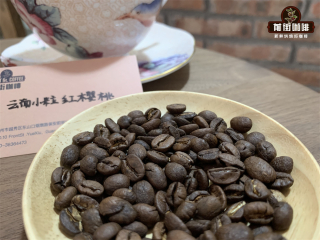
Yunnan small Grain Coffee belongs to Arabica? Yunnan coffee species and flavor and taste characteristics of producing areas
Professional coffee knowledge exchange more coffee bean information please follow the coffee workshop (Wechat official account cafe_style) front street-Yunnan small grain coffee introduction Yunnan coffee cultivation history can be traced back to 1892, large-scale cultivation of coffee is the mid-50th century, but also the first coffee planting base in China
Characteristics of Colombian coffee beans the price of Colombian coffee beans a brief introduction to Colombian coffee beans
The history of coffee cultivation in Colombia can be traced back to the Spanish colonial era in the 16th century, and there are many theories about the history of coffee in Colombia: one: it is said to come from the island of Haiti in the Caribbean and from El Salvador in Central America. Second: in 1808, a priest introduced coffee beans to Colombia for the first time from the French Antilles via Venezuela. One of them

How to describe the aroma of coffee professional terms 36 common aroma names of coffee
Professional coffee knowledge exchange more coffee bean information Please pay attention to the meaning of wet and dry aroma of coffee in coffee workshop (Wechat official account cafe_style) the seven factors that affect the flavor and aroma of coffee the aroma of coffee is mellow, the aroma of coffee is overflowing, the coffee is slightly bitter, released from the mouth, that special smell. These are the only adjectives for all kinds of tastes.

Papua New Guinea Paradise Bird Coffee beans feature Jamaican Iron Card Asian Little Blue Mountain Story
01 | the people of Papua New Guinea regard the beautiful bird of paradise as a bird of freedom and joy, a gift from the gods. PNG AA Sigri Manor Arabica Coffee, like the migration of birds, was bred from the Jamaican Blue Mountain Ironka to Papua New Guinea, with the same ancestry of the Jamaican Blue Mountains. In Papua New Guinea, coffee is

Introduction to the main Coffee producing areas in the World
Coffee comes from coffee beans, which are harvested and processed from the fruit of trees. Coffee trees grow at the center of the equator, between latitudes of 25 degrees south and north, and are called the homes of tropical or subtropical countries called coffee belts. At present, there are about 60 coffee-producing countries. Coffee is produced in South America, Central America, the West Indies, Asia, Africa, Arabia, the South Pacific and
Introduction of major coffee producing areas in the world Central and South American coffee beans, African coffee beans, Asian coffee beans
[introduction] Coffee comes from coffee beans, which are harvested and processed from the fruit of trees. Coffee trees grow at the center of the equator, between latitudes of 25 degrees south and north, and are called coffee belts in the homes of tropical or subtropical countries. at present, raw coffee comes from coffee beans, which are harvested and processed from the fruits of the trees. Coffee trees grow at the center of the equator.

How to learn to taste coffee?
Not to mention coffee history, Baidu Google, but what coffee gentleman wants to say is that people who really know how to drink coffee like espresso espresso, or pure black coffee. In fact, the reason is very simple, compared to our tea, if you have English milk tea with milk and sugar, how can you drink the purity and aroma of the original tea? Eat chocolate too.
Latin American coffee bean flavor producing countries three major coffee varieties and seven major producing areas in the world
Latin American Coffee the unique tropical rain forest environment in parts of Bolivia provides excellent natural conditions for the growth of organic coffee. The aroma of Bolivian coffee is rich and unique, both after the bean is ground and the aroma of the coffee is quite rich, similar to the mixture of flower and fruit aromas, the perfect nutty flavor is impressive. [Bolivir]
Characteristics of Colombian coffee beans the price of Colombian coffee beans a brief introduction to Colombian coffee beans
The history of coffee cultivation in Colombia can be traced back to the Spanish colonial era in the 16th century, and there are many theories about the history of coffee in Colombia: one: it is said to come from the island of Haiti in the Caribbean and from El Salvador in Central America. Second: in 1808, a priest introduced coffee beans to Colombia for the first time from the French Antilles via Venezuela. One of them
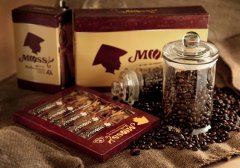
Development of Coffee production and processing in Vietnam Central Plains Coffee Highland Coffee Moche Coffee
Vietnamese coffee (c ph, literally iced coffee) is a kind of dripping coffee. The aroma is strong, the sour taste is light, the taste is smooth and moist, the fragrance is slightly bitter, the aroma is rich, refreshing and refreshing. Representative products are moossy Coffee, Central Plains Coffee, Saigon Coffee (SAGOCAFE), Highland Coffee. The geographical location of Vietnam is very favorable for coffee cultivation.
Tara Pearl, Costa Rica. Tobush Tobosi Manor in Red Honey. Carnett Manor washed in VS.
Professional coffee knowledge exchange more coffee bean information please pay attention to the coffee workshop (Wechat official account cafe_style) Costa Rica Tara Pearl producing area | Shumawa Manor, Tobush Tobosi Manor, Carnett Manor Mozart? Costa Rican coffee cultivation was introduced from Cuba in 1779 and exported for the first time in 1820. There are now about 32000 coffee farmers.

A brief introduction to the introduction to Coffee roasting, the complete Book of Coffee self-baking
When the author published the first edition of this book in 1996, roasting coffee beans at home was something that only tireless coffee addicts would do. At that time, roasting coffee beans was a very difficult thing to master, and roasters had to work hard to find a way to roast coffee beans to a moderate brown. Today, individuals still roast coffee beans at home.

American Fine Coffee Association (SCAA) A brief introduction to American Fine Coffee Association
The characteristics of boutique coffee 1. Boutique coffee beans must be high-quality beans with flawless beans. It should have an outstanding flavor, not without a bad taste, but with a particularly good taste. two。 Boutique coffee beans must be excellent varieties, such as the original bourbon species, mocha species, Tippica species, which produce coffee beans with unique aromas and

The introduction to coffee roasting recommends the complete Book of Coffee self-baking.
When the author published the first edition of this book in 1996, roasting coffee beans at home was something that only tireless coffee addicts would do. At that time, roasting coffee beans was a very difficult thing to master, and roasters had to work hard to find a way to roast coffee beans to a moderate brown. Today, individuals still roast coffee beans at home.